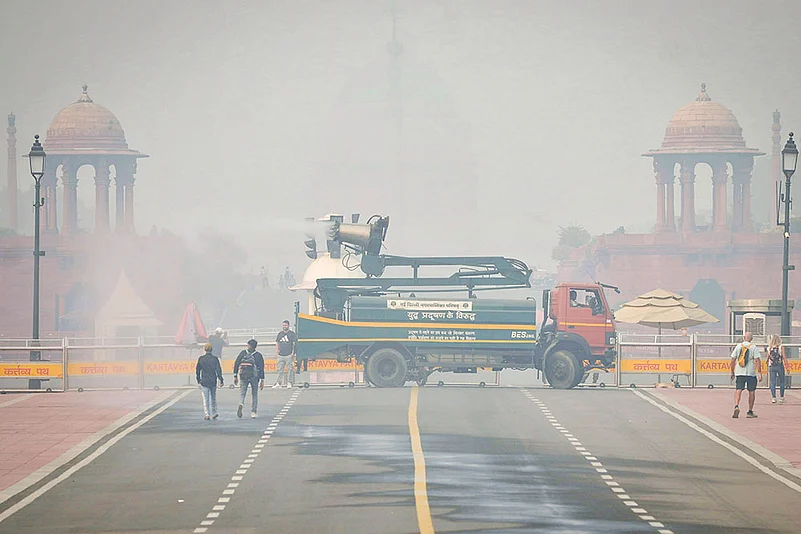
Delhi AQI Explained: What Do the Numbers Really Mean for Your Health?
Air pollution has become a major public health concern, especially in urban areas like Delhi. The Air Quality Index (AQI) is a standardized system used to measure and communicate how polluted the air is, and more importantly, what it means for your health. Understanding AQI can help you take timely precautions to protect yourself and your family.
What is AQI?
AQI is a numerical scale that ranges from 0 to 500, indicating the level of air pollution. It takes into account major pollutants such as particulate matter (PM2.5 and PM10), nitrogen dioxide, sulfur dioxide, carbon monoxide, and ozone. The higher the AQI value, the more polluted the air and the greater the potential health risks.
AQI Categories and Their Meaning
- 0–50 (Good): Air quality is satisfactory, and there is little to no health risk.
- 51–100 (Satisfactory): Minor breathing discomfort may occur for sensitive individuals.
- 101–200 (Moderate): People with respiratory conditions may experience discomfort.
- 201–300 (Poor): Prolonged exposure can cause breathing issues for most people.
- 301–400 (Very Poor): Respiratory illnesses may increase with longer exposure.
- 401–500 (Severe): Serious health effects even on healthy individuals; emergency precautions required.
How AQI Affects Your Health
Poor air quality can impact everyone, but certain groups are more vulnerable, including children, elderly individuals, pregnant women, and those with pre-existing conditions like asthma or heart disease. Exposure to high AQI levels can lead to:
- Irritation in the eyes, nose, and throat
- Coughing and shortness of breath
- Worsening of asthma and other lung diseases
- Increased risk of heart-related issues
Long-term exposure can contribute to chronic respiratory and cardiovascular conditions.
Precautions to Take During High AQI Levels
When AQI levels rise, especially in cities like Delhi, it is important to take protective measures:
- Limit outdoor activities, especially during peak pollution hours
- Wear protective masks (such as N95) when going outside
- Keep windows closed and use air purifiers indoors if possible
- Stay hydrated and maintain a healthy diet rich in antioxidants
- Monitor AQI regularly through reliable apps or weather services
Protecting Children and Elderly
Children and older adults are more sensitive to polluted air. Schools may reduce outdoor activities during severe AQI days, and caregivers should ensure that vulnerable individuals remain indoors as much as possible.
Role of Community and Awareness
While individual precautions are important, long-term improvement in air quality requires collective action. Reducing vehicle emissions, avoiding burning waste, and supporting clean energy initiatives can help improve overall air conditions.
Conclusion
Understanding AQI is essential for making informed decisions about your daily activities and health. By staying aware of air quality levels and taking necessary precautions, you can minimize the harmful effects of pollution and protect your well-being, even in highly affected areas like Delhi.